All articles
Guides
eSIM versus a local SIM card: an honest comparison
A local SIM is sometimes cheaper. Whether that difference is worth the errand depends entirely on how long you are staying.
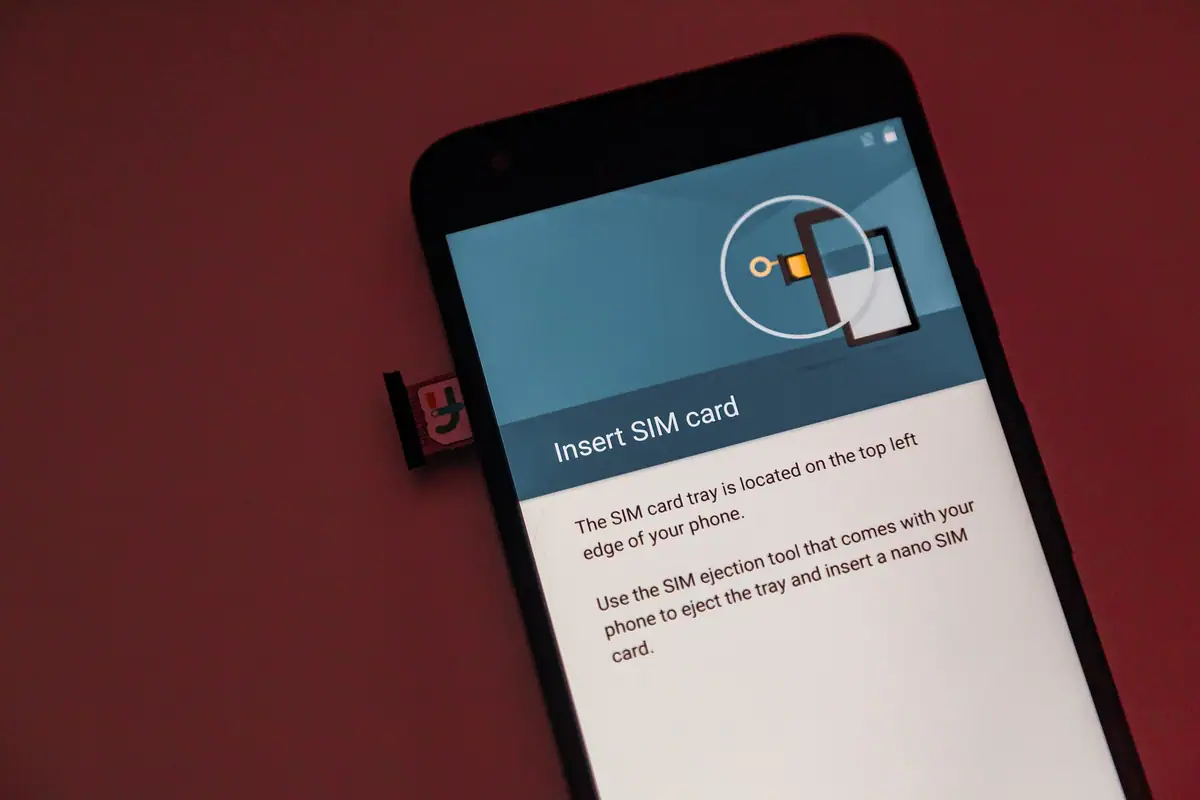
Photo: Tony Webster, CC BY 2.0
Buying a SIM card at your destination is often the cheapest option per gigabyte. That is true and worth saying plainly, because most comparisons written by eSIM companies skip it.

What the local SIM costs you beyond the price
- Time. Finding a shop, queueing, registration. In some countries this means showing a passport and waiting.
- The gap. You are offline between landing and the shop — which is exactly when you need a map.
- Your own SIM. It comes out of the phone. On a single-SIM phone, that means your usual number is unreachable for the whole trip.
The shorter the trip, the worse the maths for a local SIM.
Where the local SIM wins
Long stays. If you are somewhere for a month or more, the price difference outgrows the inconvenience, and you probably want a local number anyway.
Heavy use also tips it. If you are working remotely and burning 50 GB, buy locally.
For a week in a country you have never been to, an eSIM that works the moment you land is worth the few euros it costs more.