Destinations
Day trips from Barcelona: twelve that beat another day in the city
Catalonia is small, its trains are cheap, and almost none of it looks like Barcelona. Twelve places within two hours — with the fares, the timings, and the thing about each that decides whether it earns your day.
Barcelona is a two-day city that people give five days to, and the last three are usually spent queueing. Sagrada Família, Park Güell, the Gothic Quarter, a beach — and then what?
Then Catalonia, which is where the answer has been the whole time. It is a small region with an unusually good regional railway, and an hour out of Sants puts you somewhere that looks nothing like the city you left: a monastery on a mountain of eroded conglomerate, a Roman capital on the sea, a medieval town whose bridge is the reason it exists.
Ordered by distance. The numbers are up front, because the constraint on a day trip is never the distance — it is the last train back.
1. Colònia Güell
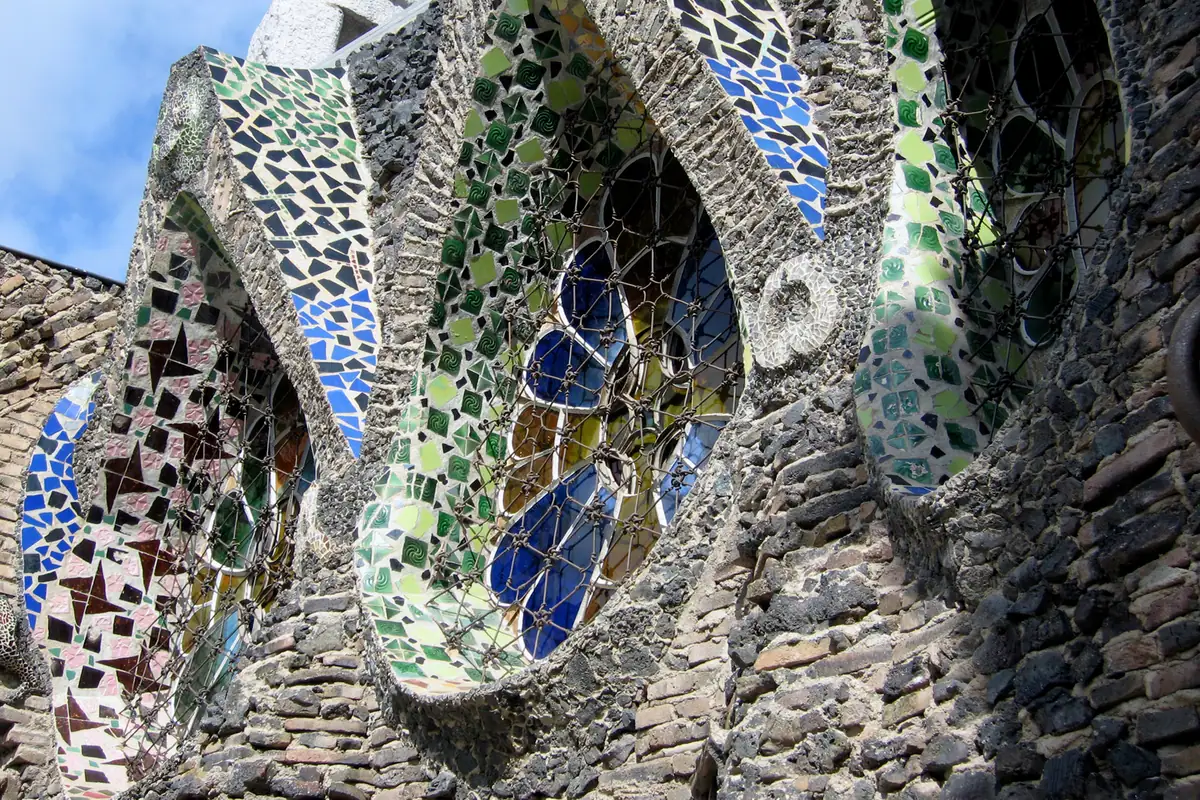
The building where Gaudí solved the Sagrada Família, and almost nobody goes. It is a crypt — the church above it was never built — and he spent ten years on it, hanging a model of strings and weights upside down to work out where the loads went.
The leaning brick columns, the ribbed vaults, the windows shaped like petals: all of it is the Sagrada Família in draft, at a scale you can stand inside without a ticket queue.
- The crypt, and the hanging chain model in the visitor centre
- The workers' village around it, still lived in
- The factory buildings, industrial modernisme at its plainest
Worth knowing. Half a day at most, and the easiest thing on this list. If your Sagrada Família ticket is for the afternoon, this is the morning.
2. Sitges
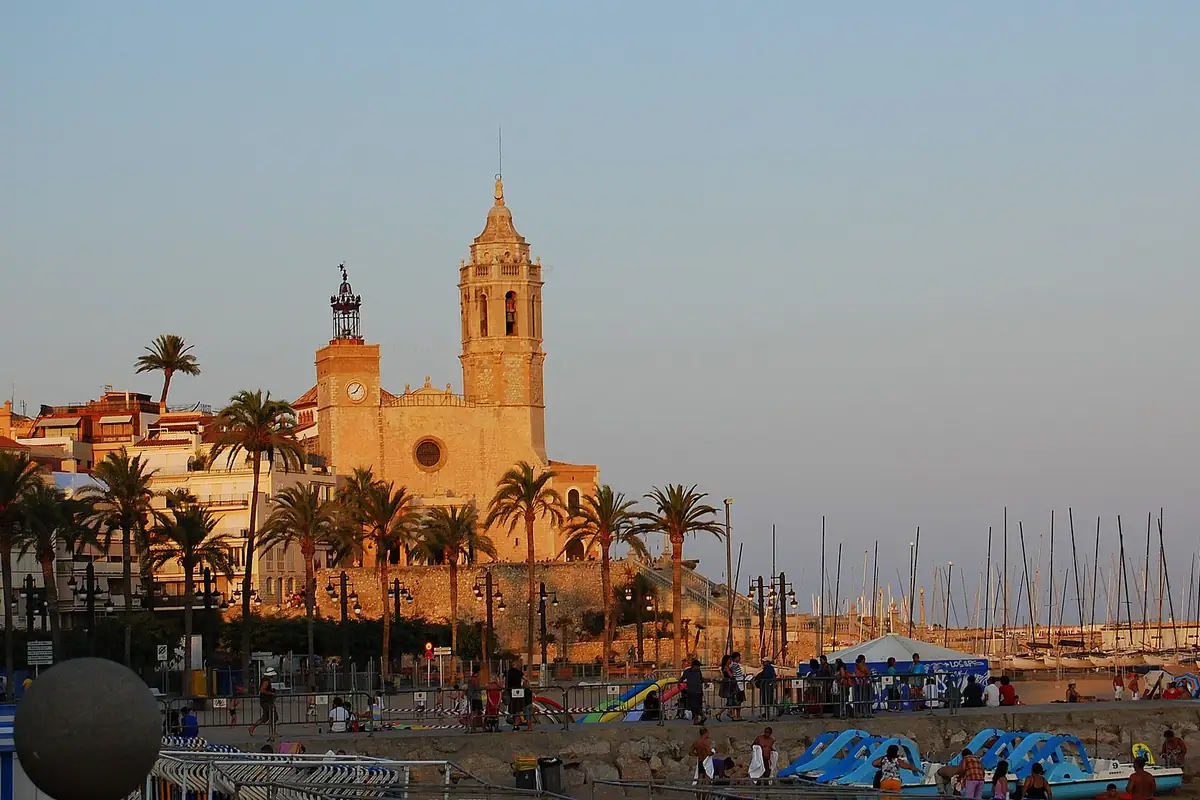
Seventeen beaches, a whitewashed old town, and a church on a rock between the two halves of it. Sitges has been a resort for a century and a half and does it without the concrete that ruined most of the Spanish coast.
It is also the gay capital of the Mediterranean and has been since the seventies, which gives the place a confidence that reads in the bars, the shops and the sheer number of festivals.
- The church of Sant Bartomeu i Santa Tecla, and the view from below it
- Cau Ferrat, the painter Rusiñol's house, now a museum
- Platja de Sant Sebastià, the quieter beach on the north side
- The Carnival in February, if your timing is lucky
Worth knowing. The train runs along the cliffs from Castelldefels — sit on the right going down.
3. Montserrat
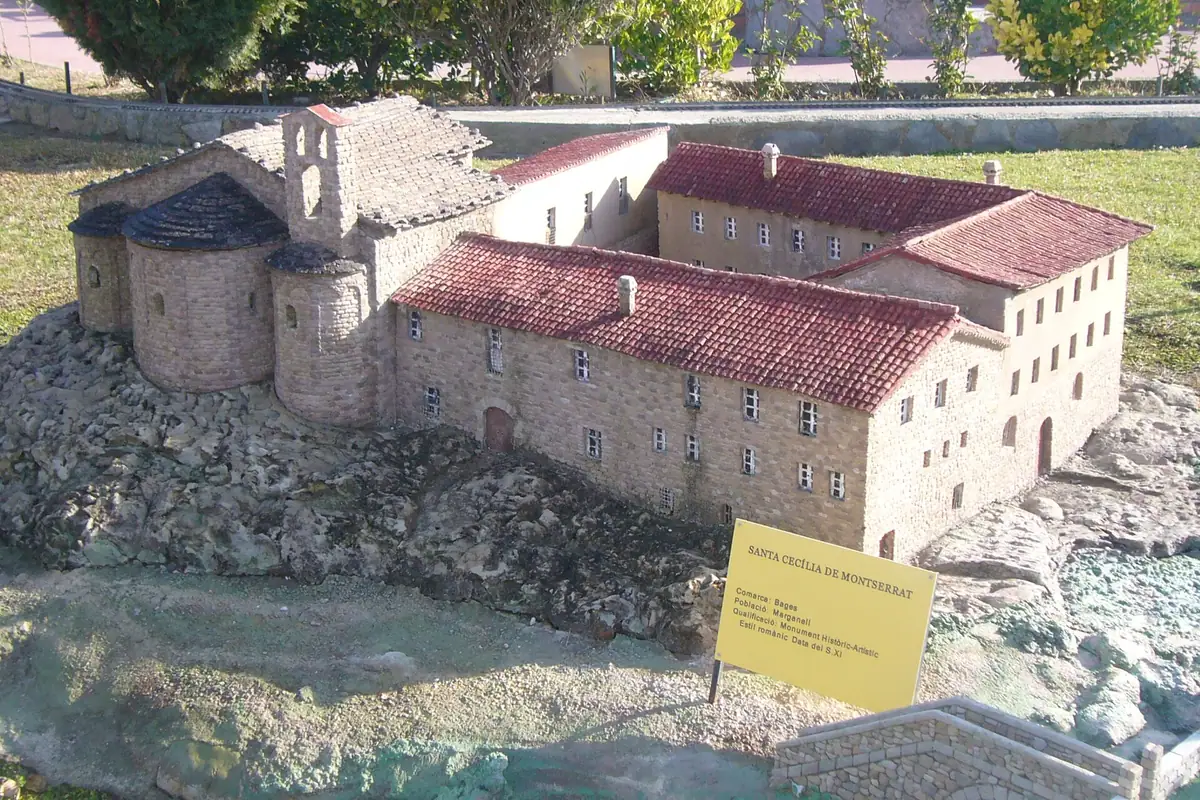
The mountain is the point. Montserrat is a mass of conglomerate eroded into hundreds of rounded fingers, so it looks less like a mountain than something poured and left to set. A Benedictine monastery has been wedged into it since the eleventh century.
Inside is La Moreneta, the black Madonna, and Catalonia's identity is tangled up with her in a way that is hard to overstate. If you time it right, the boys' choir — one of the oldest in Europe — sings at midday.
- The basilica and La Moreneta
- The Escolania choir, weekdays at 1 pm and Sundays at noon, term time only
- Sant Joan funicular, then the walk along the ridge
- Santa Cova, down the mountain on the other funicular
Worth knowing. Cable car or rack railway? The cable car is faster and more dramatic; the rack railway runs more often and does not close in wind. Check the wind before you commit.
4. Tarragona
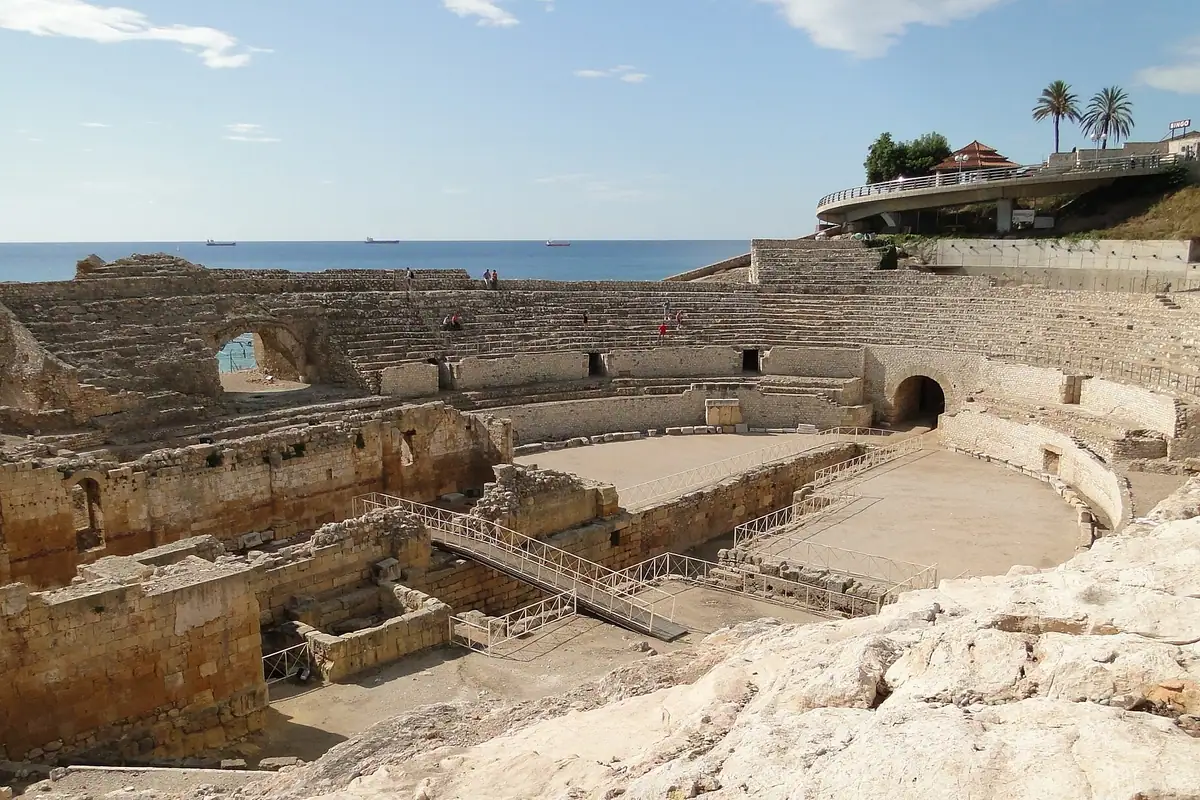
This was Tarraco, capital of Roman Spain, and the ruins are not fenced off in a park — they are the town. A Roman wall runs behind the cathedral, a circus tunnels under a square, and the amphitheatre sits on the cliff with the sea directly behind it, which is the single best-sited ruin in Spain.
Above it is a medieval city with a cathedral that started Romanesque and finished Gothic because it took two hundred years, and below it a long beach you can walk to.
- The amphitheatre, and the church built inside it later
- The Roman circus, tunnels and all
- The cathedral and its cloister
- The Balcó del Mediterrani, where locals touch the railing for luck
Worth knowing. Buy the combined ticket at the first site; it covers five and pays for itself at the third.
5. Vilafranca and the Penedès
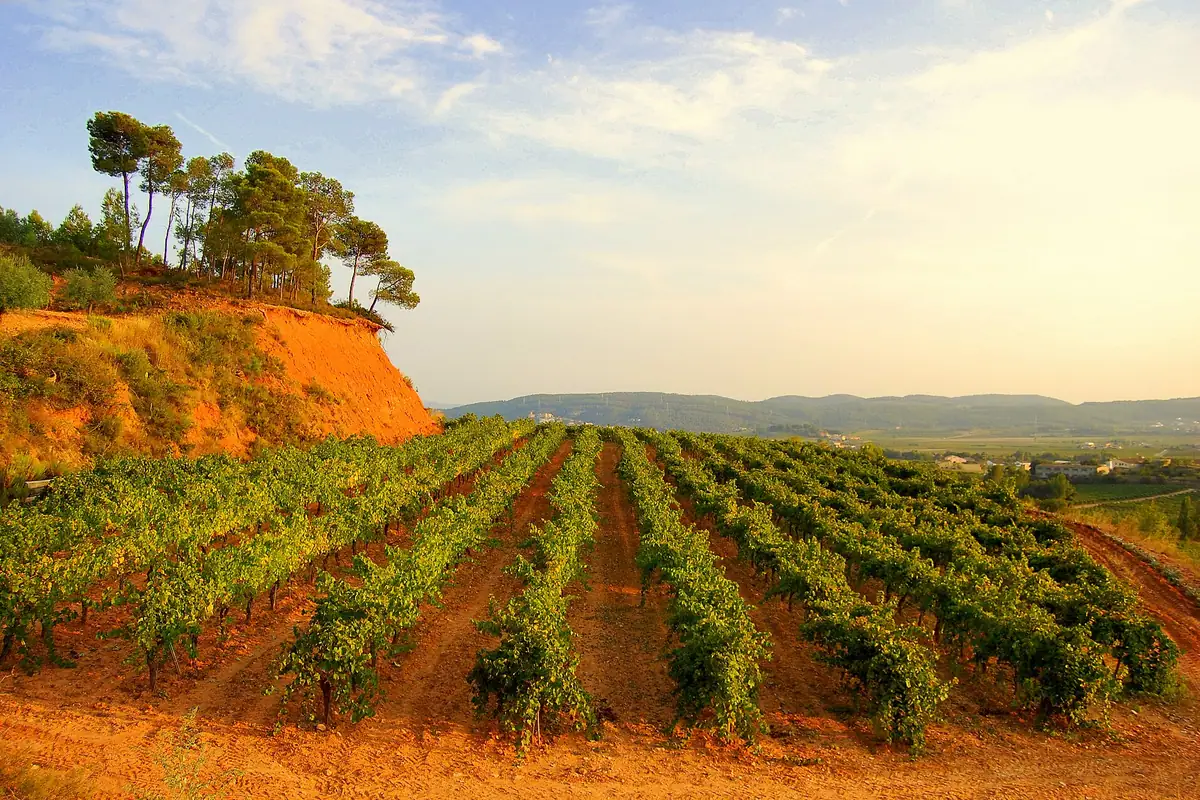
Cava country, and close enough that the train does the driving. Sant Sadurní d'Anoia is the centre of it: the big houses have their cellars under the town, kilometres of tunnels at a constant temperature, and most run tours that end in a glass.
Vilafranca del Penedès, one stop further, is the market town — and the home of the castellers, the human towers. If you are there when they practise, stay.
- A cellar tour at Sant Sadurní — book ahead, especially at weekends
- Vinseum, the wine museum in Vilafranca
- The Saturday market in Vilafranca
- Castellers practice, if the calendar is kind
Worth knowing. The cellars are 13 °C year-round. In August that is a relief; bring a layer anyway.
6. Girona
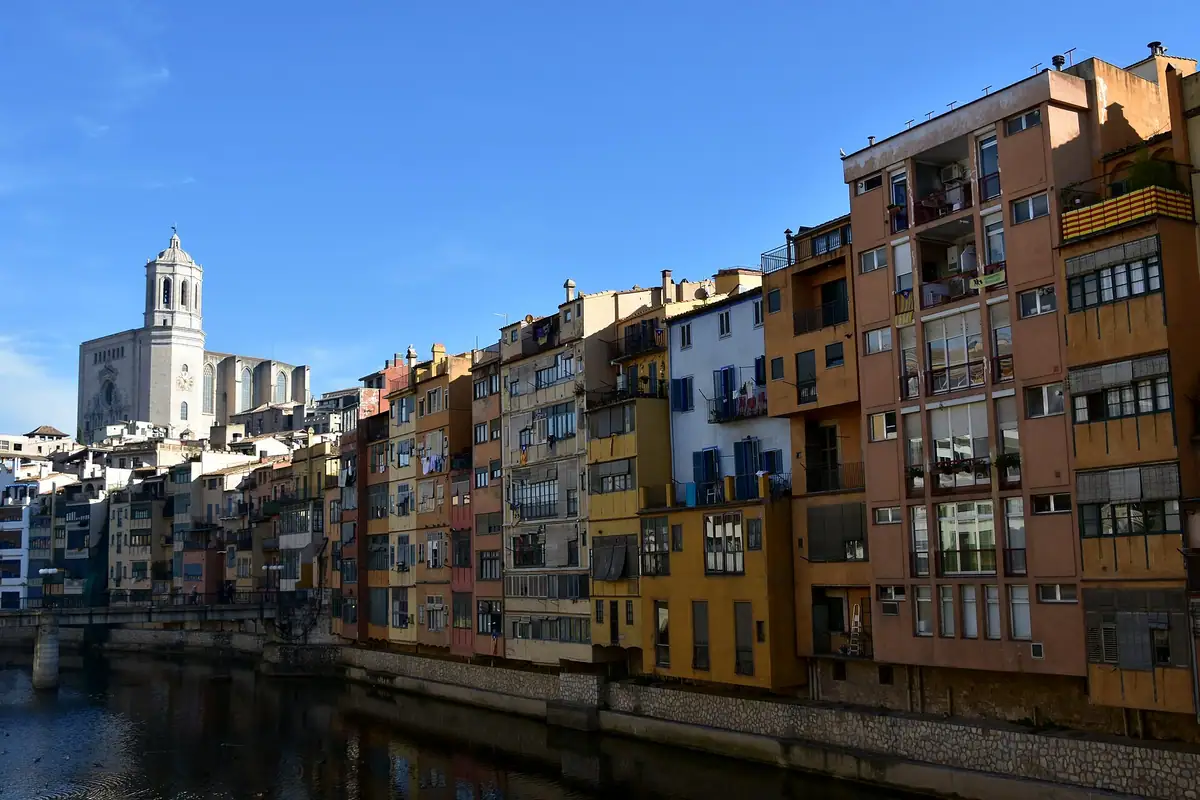
Forty minutes on the fast train, which makes Girona closer than some of Barcelona's own suburbs. What you get is a walled medieval city on a river, with one of the best-preserved Jewish quarters in Europe and a cathedral nave wider than any other Gothic one anywhere.
The city walls are walkable for most of their length, and the stretch above the old town gives you the whole thing at once.
- The Call, the Jewish quarter, and its museum
- The cathedral steps — which you may recognise from television
- The Passeig de la Muralla, the walk along the walls
- The painted houses on the Onyar, from Pont de Sant Agustí
Worth knowing. The fast train costs several times the regional one and saves an hour. Book ahead and it is barely more.
7. Besalú
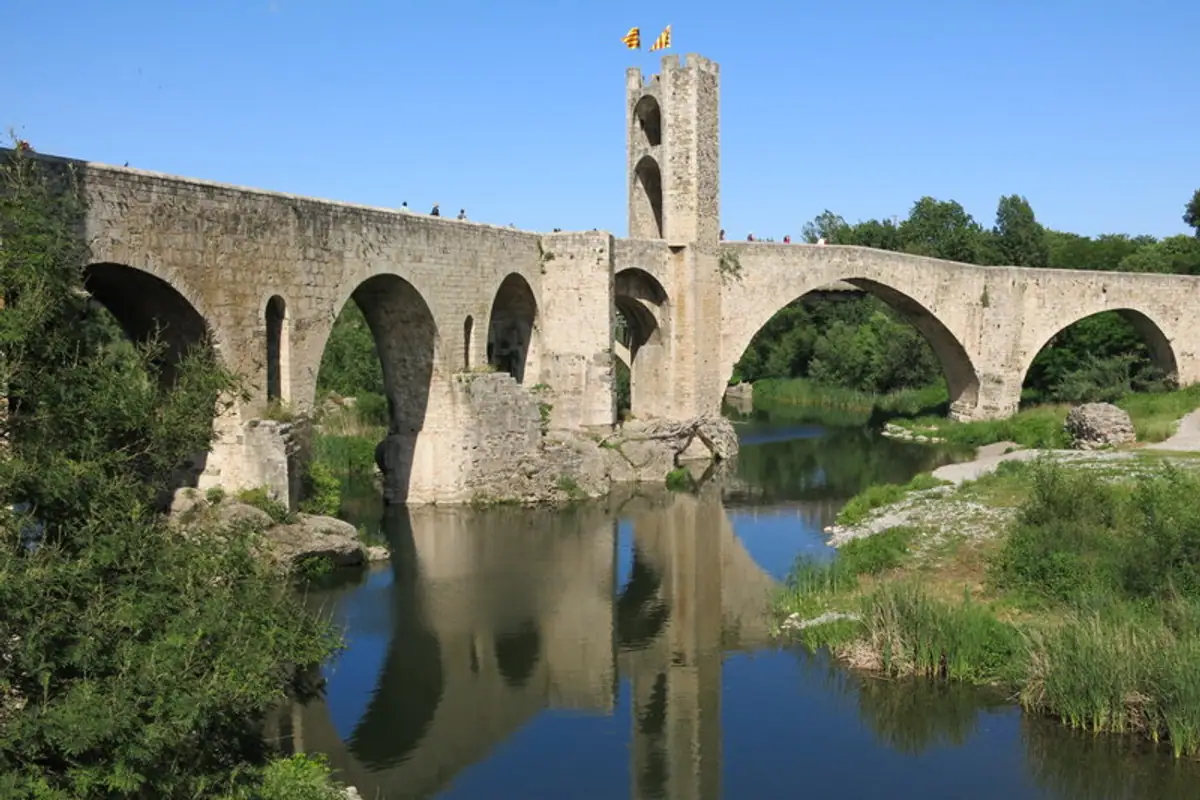
A Romanesque bridge with a gate tower in the middle of it, crossing a river into a town that has not needed to change since the twelfth century. Besalú was the capital of its own county once and then stopped being important, which is the best thing that can happen to a medieval town.
It also has a mikvah — a Jewish ritual bath from the twelfth century, one of very few surviving in Europe, found by accident in the 1960s.
- The bridge, from the far bank
- The mikvah, by guided visit from the tourist office
- Sant Pere monastery church
- The arcaded main square
Worth knowing. Pair it with Girona — you change there anyway, and Besalú alone is not quite a day.
8. Tossa de Mar
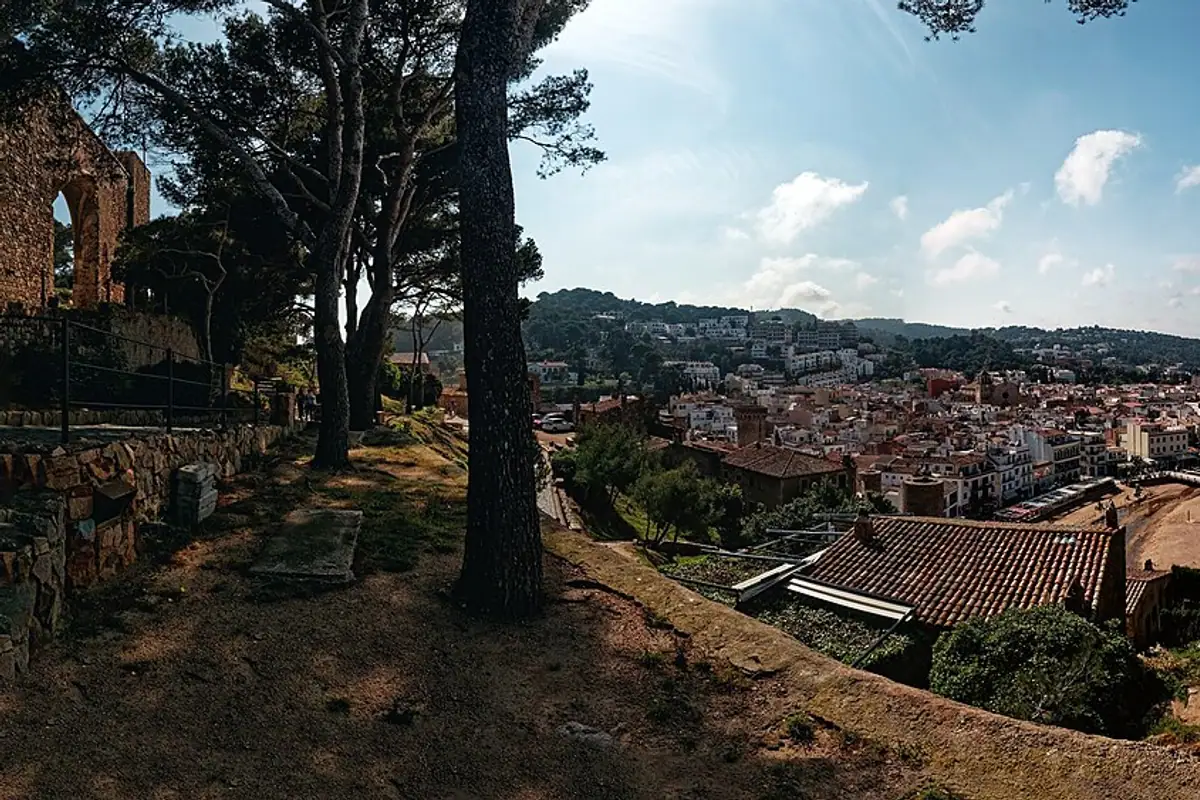
The only walled medieval town left on the Catalan coast, on a headland over a beach that has somehow escaped the towers that swallowed the rest of the Costa Brava.
Walk up into the Vila Vella through the gate and the noise stops. From the lighthouse at the top you see back down over the bay, and in the other direction a coastline of coves reachable only on foot or by boat.
- The Vila Vella walls and the walk to the lighthouse
- Platja Gran, and the smaller Codolar beach behind the headland
- The coastal path north towards Sant Feliu
- A glass-bottomed boat along the coves, if the sea is flat
Worth knowing. Bus, not train — the railway does not reach this part of the coast. The Estació del Nord is a ten-minute walk from Arc de Triomf.
9. Figueres
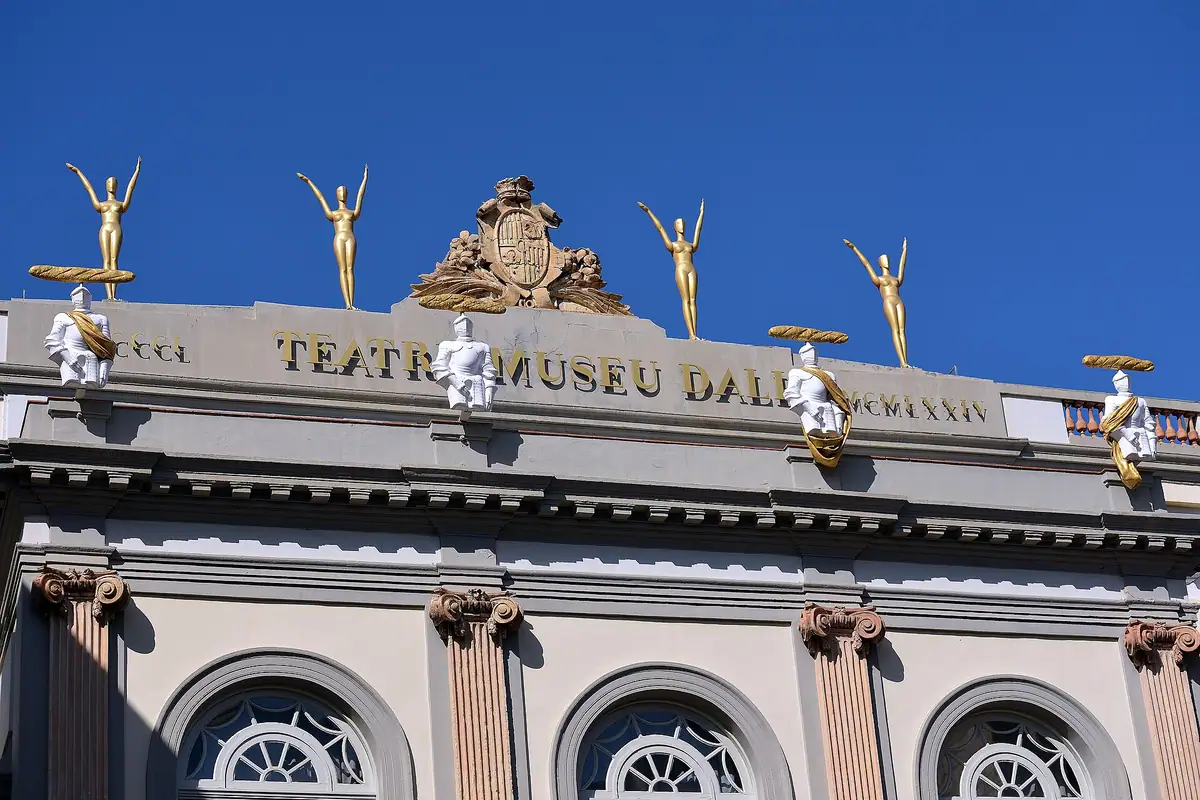
Dalí was born here, built his museum here out of the bombed-out town theatre, and is buried under the floor of it. The building alone — red, studded with bread rolls, topped with giant eggs — would be worth the train.
Inside is not a collection so much as a single enormous work: rooms that only resolve from one spot, a ceiling you look at lying down, a car it rains inside. Whether you like Dalí is almost beside the point.
- The Mae West room, from the right step on the stairs
- The Palace of the Wind ceiling
- The Dalí jewels, in the annexe — do not skip it
- The castle of Sant Ferran above town, one of the largest in Europe and nearly empty
Worth knowing. Book the museum slot. In summer it sells out days ahead, and the town has little else to hold you for an afternoon.
10. Vic
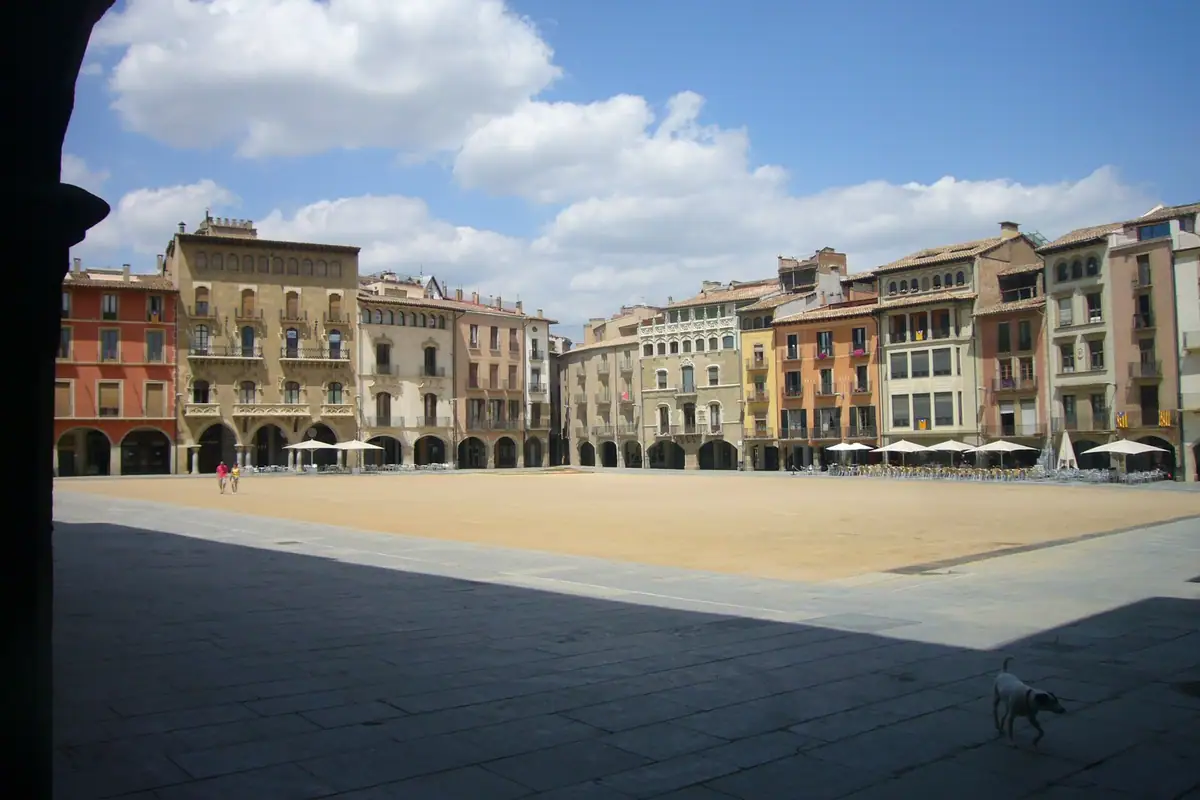
An inland market town with one of the biggest arcaded squares in Catalonia, and a Tuesday and Saturday market that has been running in it since the ninth century. This is the trip for someone who has had enough of sights.
The Museu Episcopal is the surprise: a first-rate collection of Romanesque and Gothic altarpieces, the kind of thing that would be queued for in a capital.
- The Plaça Major on market day
- The Museu Episcopal
- The cathedral, for the Sert murals — painted twice, because the first set burned
- Llonganissa de Vic, the cured sausage the town is known for
Worth knowing. Go on a market day or do not go. On a Thursday it is a quiet town with a good museum; on a Saturday it is the reason to come.
11. Cardona
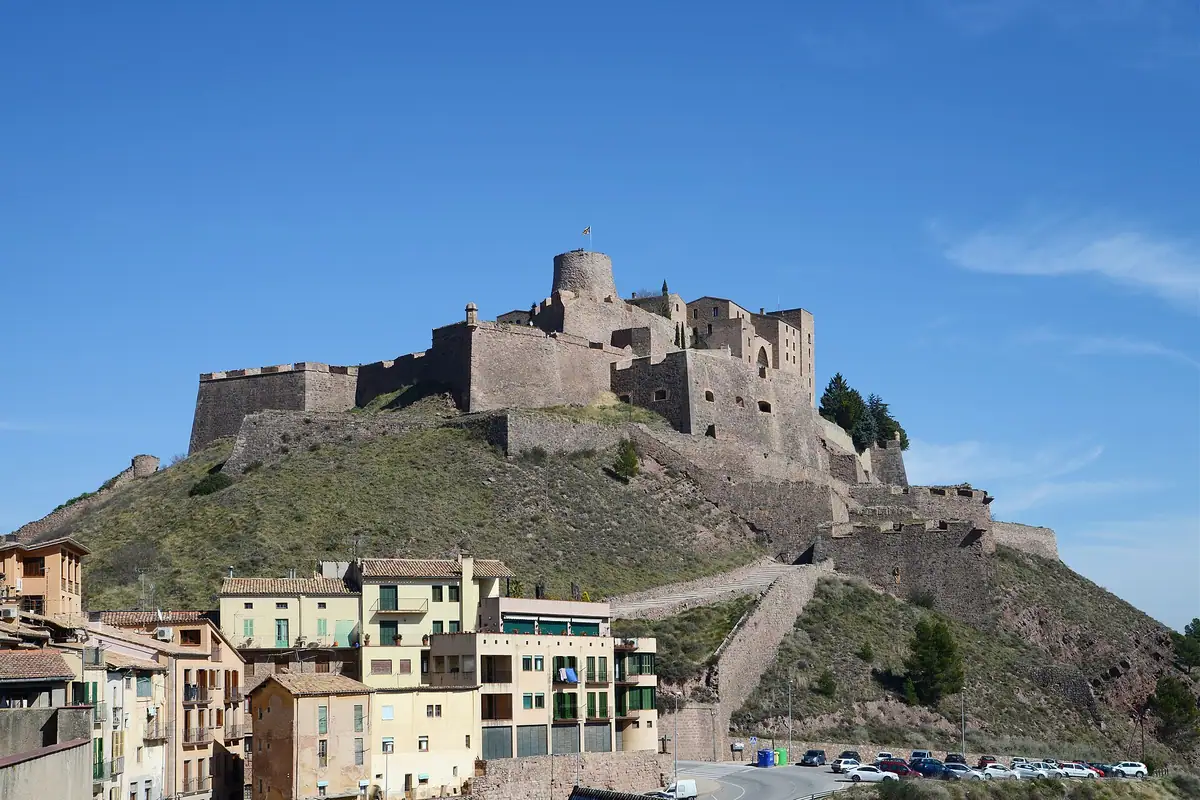
Two things on two hills. One is a castle that never fell — the last Catalan fortress to surrender in the War of the Spanish Succession, now a parador with an eleventh-century church inside the walls.
The other is a mountain of salt. A diapir of rock salt pushed up from below, mined since Roman times, and you go down into it: walls, floor and ceiling all salt, in colours from white through grey to red.
- The Vall Salina salt mountain tour
- Sant Vicenç church in the castle — Lombard Romanesque, austere and enormous
- The walk round the castle walls, for the valley
Worth knowing. The longest journey on this list for its distance, because it needs a bus. Worth it for the mine; the castle alone is not.
12. Calella de Palafrugell
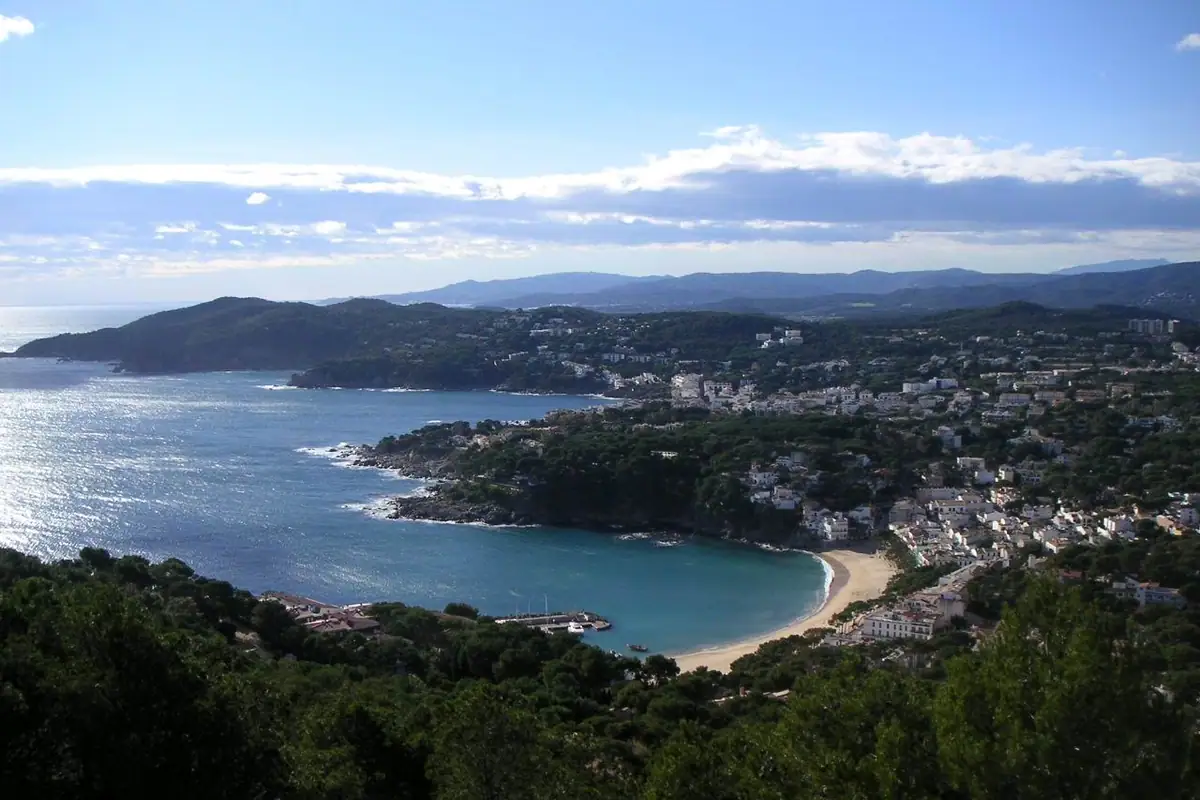
The Costa Brava as it was before anyone called it that: white fishermen's houses with arcades opening straight onto rock, small coves instead of a beach, and no building tall enough to cast a shadow on the water.
From here the camí de ronda — the old coastguards' path — runs along the cliffs in both directions, and the walk to Llafranc takes twenty minutes and is the best twenty minutes on this coast.
- Port Bo, the arcaded waterfront
- The camí de ronda to Llafranc and on to Tamariu
- Cap Roig botanical garden, on the headland
- The havaneres singing in July, if the calendar works out
Worth knowing. Two hours each way by bus is a lot for a day. This is the one on the list that genuinely rewards an overnight.
How to choose, if you only get one
A rough sorting, assuming one free day:
- If you have half a day: Colònia Güell, or Sitges.
- If you want the landscape: Montserrat. Nothing else looks like it.
- If you want a city, not a sight: Girona — forty minutes, and a whole walled town.
- If it is August: Tossa de Mar or Calella. Both have water and neither has queues.
- If you have seen a lot of churches lately: Cardona's salt mine, or a cellar in the Penedès.
Practical things worth doing before you go
- Know which railway. Rodalies (Renfe) leaves from Sants and Passeig de Gràcia; FGC leaves from Plaça Espanya and Plaça Catalunya. They are different companies with different tickets, and the app you need depends on which.
- Check Sunday. Regional buses in Catalonia thin out sharply on Sundays, and Besalú, Tossa and Calella are all bus-only.
- Sort out data before you land. Bus times, cellar bookings and museum slots all live online and all change. An EU SIM roams in Spain at no extra cost; everything else does not.
Barcelona is worth two days. Catalonia is worth the rest of the week.
Almost every one of these is better before eleven. Montserrat before the coaches, Girona's walls before the heat, Tossa's old town before the beach fills. None of it takes anything except being willing to get up.
Spain — our plans
6 plans · prepaid · activate any time within 12 months
| Plan | Valid | Price |
|---|---|---|
| 1 GB | 7 days | €1.52 |
| 3 GB | 30 days | €3.45 |
| 5 GBmost chosen | 30 days | €4.94 |
| 10 GB | 30 days | €8.63 |
| 20 GB | 30 days | €14.77 |
| 50 GB | 90 days | €35.05 |