Destinations
eSIM for Indonesia: Bali, registration rules and coverage
Our most-travelled destination. A local SIM means a passport and a queue; an eSIM means neither.

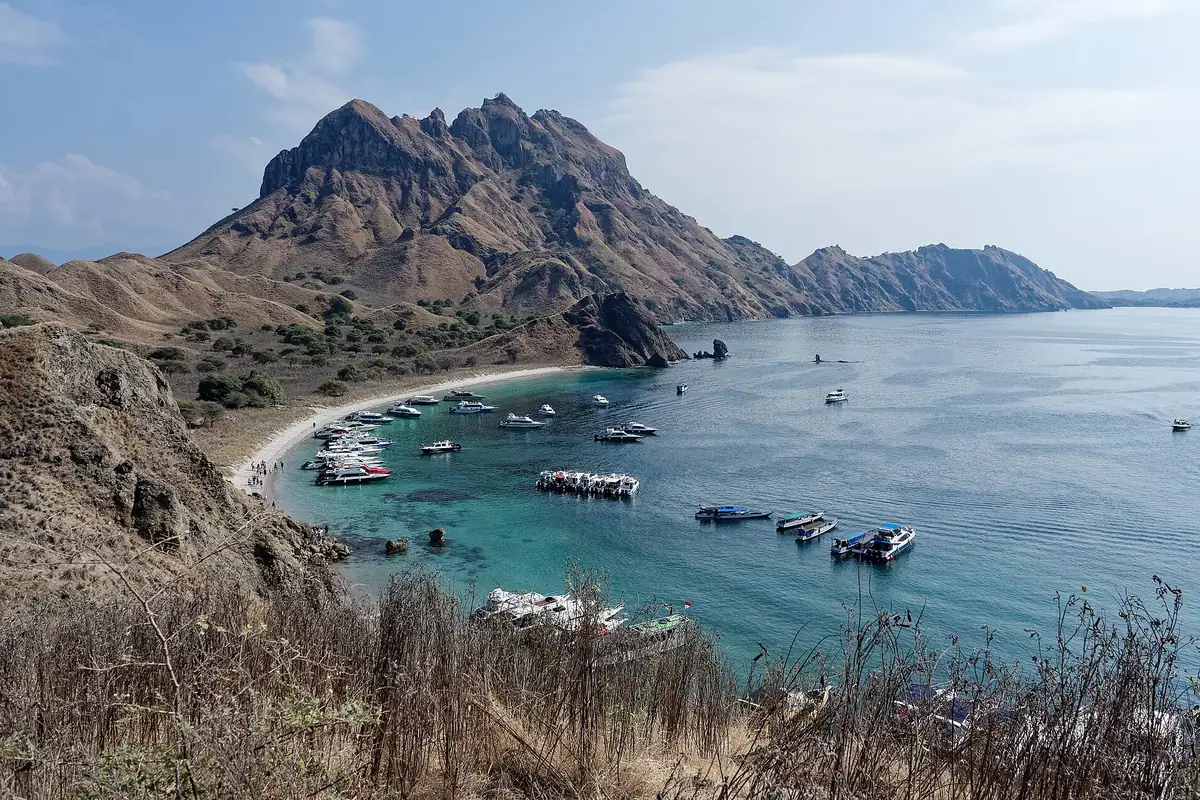
Photo: Pinterpandai, CC BY-SA 3.0
Indonesia is the country our customers buy data for more than any other, and it is also where the local-SIM route costs the most in time.
Registration
A local Indonesian SIM must be registered against a passport, in person, at a shop or a counter. It works, it is cheap per gigabyte, and it takes an hour of a holiday that has just started.
An eSIM installed before you fly is working by the time the bags come off the belt.
Which networks you get
Our plans use Telkomsel and Tri. Tri is fine across Bali, Java and the main tourist areas. Telkomsel is the one that matters once you leave them — it reaches further into the outer islands than anything else in the country, and having both is why a plan keeps working past Canggu.
How much data
Indonesia is where our customers buy the biggest plans, and it is not an accident: long trips, heavy map use, and a lot of people working while they are there. For two weeks, 10 to 20 GB is the common choice rather than the cautious one.

Roaming with your home plan
Do not, unless you have checked the per-megabyte rate. Indonesia is outside every roaming arrangement a European operator belongs to, and the standard rates are the expensive ones.
Before you fly
Install at home on WiFi — the flight is long and airport WiFi after twelve hours in the air is not where you want to be troubleshooting. Leave data roaming off on the travel line until you have landed in Denpasar or Jakarta, then switch it on for that line only.